Efficient Permit Process Advice
Learn about the Advantages of Home Remodeling: A Complete Guide to Improving Your Living Space
Home remodeling delivers many advantages that go beyond mere aesthetics. It can substantially raise a property's value and also increase its energy efficiency and practicality. As homeowners seek to create spaces that satisfy their evolving needs, the benefits of thoughtful renovations become more and more clear. Understanding these advantages can aid people in make wise judgments about their living spaces, leading to significant improvements that encourage comfort and self-identity. What specific benefits await those ready to start this journey?
Enhancing Aesthetic Appeal
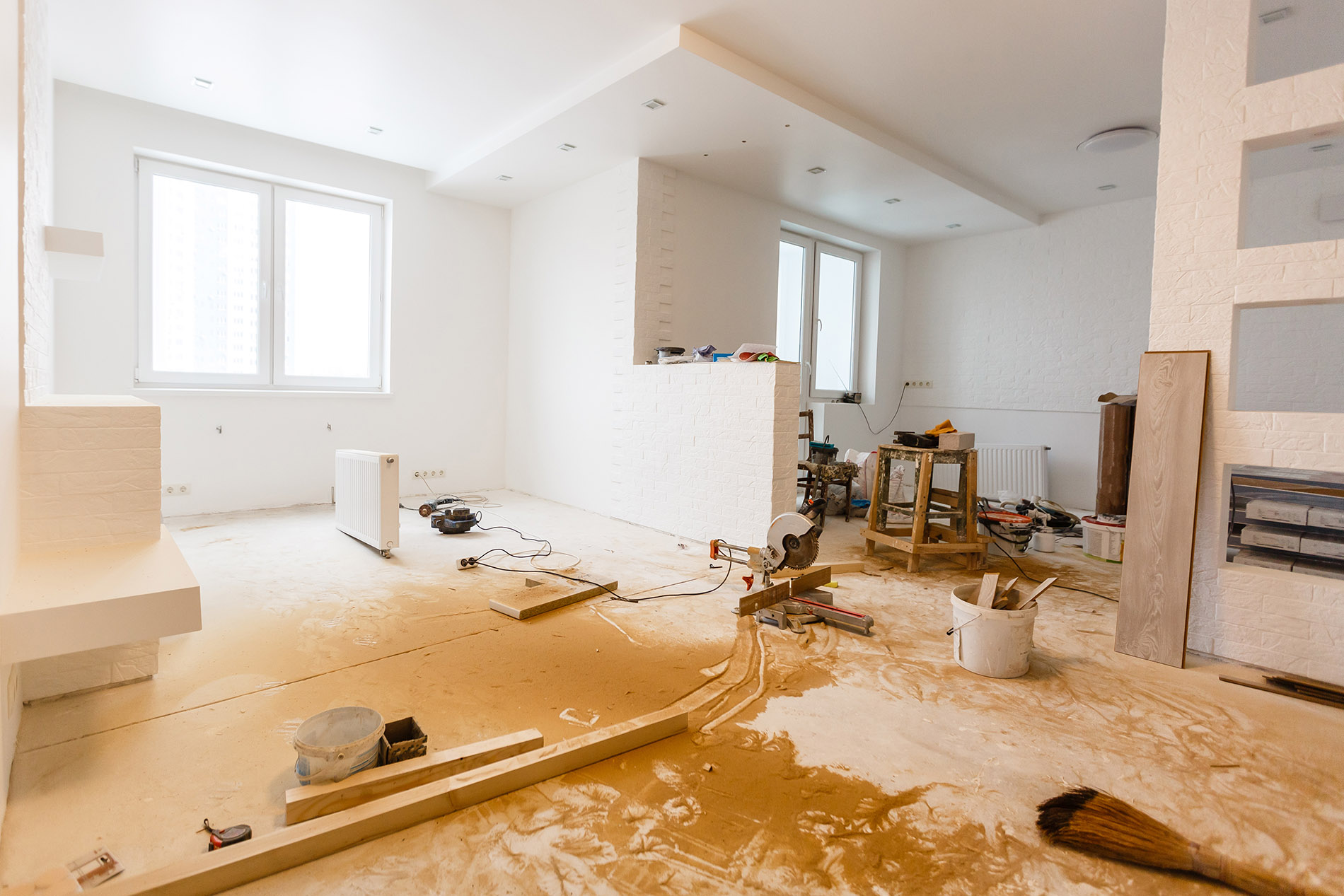
Although many homeowners may not realize it, enhancing aesthetic appeal through remodeling can significantly change a living space. A properly done remodel can breathe new life into outdated interiors, forming spaces that mirror personal style and up-to-date styles. Whether it includes refreshing colors, textures, or layouts, these changes can significantly impact the overall atmosphere of a home.
For instance, installing contemporary lights or replacing worn-out flooring can create a more welcoming atmosphere. Floor plans with open concepts can improve flow, making spaces feel larger and more cohesive. Additionally, including things like decorative moldings, custom cabinetry, or stylish backsplashes can elevate the visual interest in key areas like kitchens and living rooms.
Ultimately, the visual upgrades achieved through remodeling not only uplift the homeowner's experience but also foster a sense of pride and comfort in their surroundings, contributing to a more pleasant way of living.
Raising Property Worth
Home remodeling can significantly raise a property's value, turning it into a wise financial move for homeowners. Strategic upgrades, for example kitchen or bathroom renovations, often yield substantial payback. According to industry experts, a renovated kitchen can earn back nearly 80% of its cost upon resale. Additionally, boosting the outdoor appearance through exterior improvements can attract potential buyers, increasing the total value of the house.
Eco-friendly improvements, like new windows or insulation, do more than just cut utility costs but also attract eco-conscious buyers, further increasing market value. Additionally, adding livable square footage via a new room or converted cellar boosts both usability and desirability, making the home more competitive in the real estate market.
Finally, well-planned home improvements can transform a home into a highly sought-after property, ensuring a favorable return on investment while providing homeowners with an improved living experience.
Improving Functionality and Layout
Strategic house updates not only enhances property value but also aims to better the utility and design in the residential area. A carefully planned renovation is able to convert confined spaces into more usable spaces, improving the movement and convenience. For instance, eliminating barriers often results in open layouts that encourage interaction and adaptability in room function.
Additionally, rearranging rooms such as culinary areas and washrooms significantly boosts their utility. Upgrading storage options and maximizing workspace allows for a more organized environment, suited to the user's demands.
Furthermore, strategic positioning of decor and fittings during a remodel enhances the design scheme, causing areas to appear more spacious and welcoming. By focusing on usability, homeowners can create a space that fulfills their necessary demands but also enhances their overall quality of life. Ultimately, a focus on design and usability results in a smoother residential life.
Enhancing Energy Conservation
A significant benefit of remodeling is the chance to improve energy performance across the property. Homeowners often take advantage of this by installing better insulation, installing energy-efficient windows, and installing modern climate control systems. Such further information changes not only reduce energy consumption but also decrease monthly energy costs, making the home more economical eventually.
Additionally, installing high-efficiency devices during a remodel boosts overall energy reduction. Devices such as automated thermostats and LED lighting further enhance efficiency, allowing homeowners to manage energy use effectively.
Furthermore, utilizing sustainable materials and sustainable methods while renovating the home can reduce the home's carbon footprint. Through the selection of sustainable materials and cutting down on refuse, people can develop a greener residential environment. Finally, boosting energy efficiency through remodeling does more than help the planet but also boosts the house's market price.
Cultivating a Inviting Atmosphere
Establishing a welcoming atmosphere in a home necessitates several crucial components. Maximizing natural light, improving the layout layout, and picking pleasant materials can greatly elevate the entire feeling. These aspects not only raise visual appeal but also lead to a more inviting and usable residential space.
Enhancing Natural Light
While many residents overlook the impact of natural light, its enhancement can truly change a living space into a more pleasant and comfortable setting. Maximizing natural light not only lights up rooms but also fosters an open feeling that promotes comfort. Strategies such as fitting bigger windows, skylights, or glass doors can considerably increase sunlight penetration. Moreover, using light-colored paint and glossy surfaces can amplify the natural light that enters a space. Placing strategically placed mirrors can also boost brightness while giving the impression of depth. By prioritizing natural light, residents can foster a serene and positive atmosphere, ultimately leading to a more enjoyable living experience. This easy yet impactful improvement can truly boost the total visual appeal and practicality of a home.
Improving Space Layout
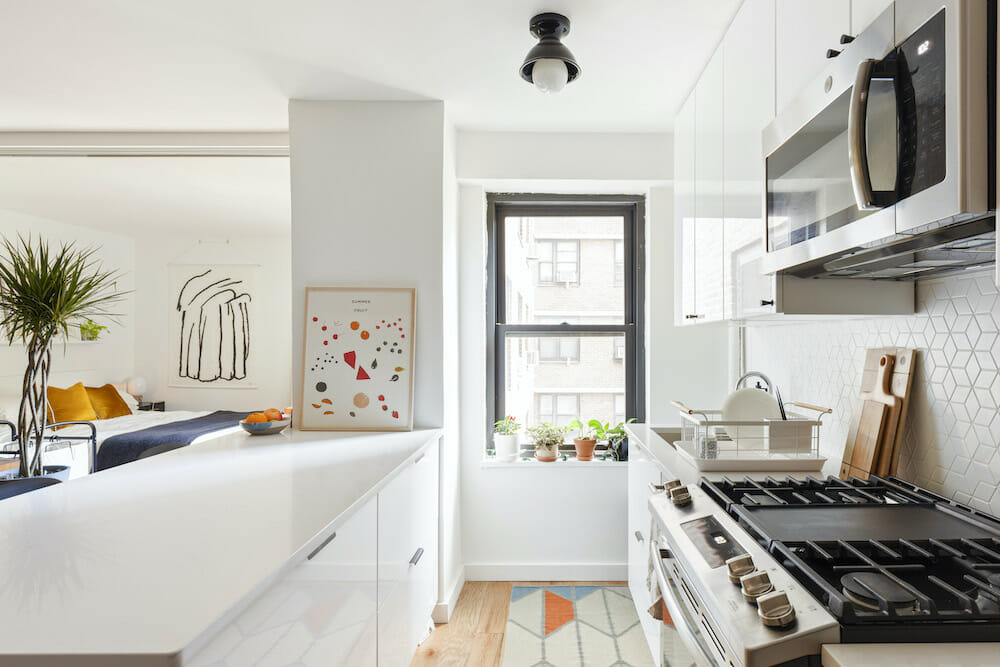
When residents focus on refining space layout, they can markedly boost the comfort and practicality of their living areas. Deliberate arrangement of furnishings and fittings can establish an open, inviting ambiance that allows for freedom of movement. By assessing the traffic of every room, homeowners can pinpoint unused areas and turn them into useful spaces. For example, combining a kitchen and dining area can encourage social activity while boosting usefulness. Additionally, including multi-functional furniture enables adaptable uses of space, meeting different needs without cluttering. In conclusion, a well-considered layout not only improves everyday living but also increases the worth to the home, turning it a more pleasant and practical space for relatives and visitors alike.
Picking Suitable Materials
Opting for comfortable materials is vital for homeowners looking to establish a hospitable atmosphere. The selection of fabrics, textures, and decor elements is essential in improving both visual appeal and comfort. Materials like soft, airy textiles such as cotton or linen for upholstery tend to foster a calm mood, while deep-pile area rugs provide coziness for the feet. In addition, bringing in organic substances including natural wood or rock helps instill calmness to rooms. Hues and shades also influence comfort; soft, muted tones tend to suggest peacefulness, while bold shades can make a room feel lively. Individuals must factor in durability alongside comfort, guaranteeing that these materials hold up to daily wear and tear. Finally, a well-considered picking of cozy elements significantly helps create an inviting and pleasant home ambiance, promoting wellness.
Customizing the Home
Personalizing a living space allows individuals to express their distinctive taste through careful selections in design. By adding particular elements and layouts, homeowners are able to design spaces that not only reflect their personality but also improve usability. This customized method makes certain that every part is useful while remaining aesthetically pleasing.
Unique Design Choices
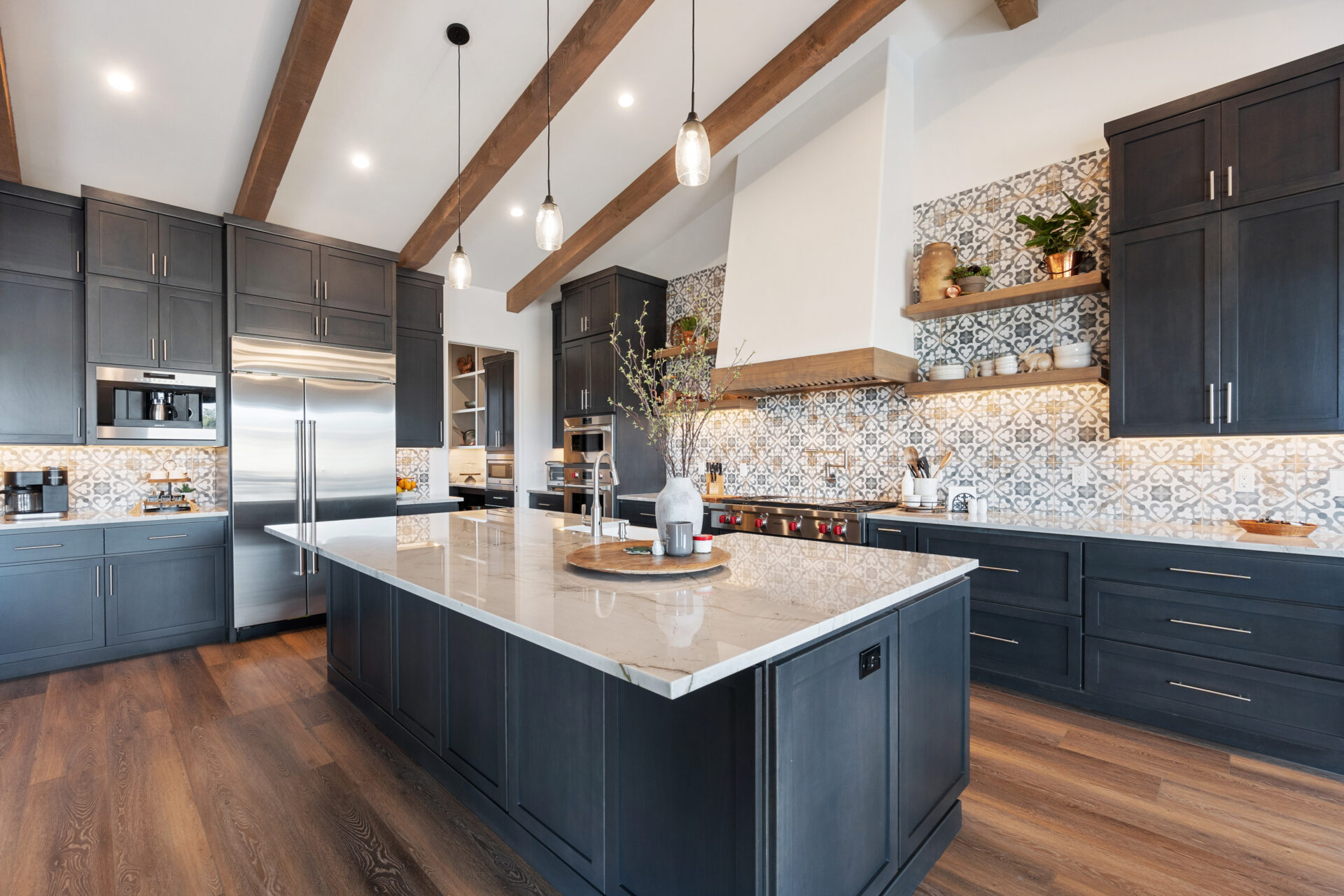
A home serves as a reflection of its owner’s personality and lifestyle, thus requiring individualized design selections for establishing a custom environment. Homeowners have the opportunity to express their individuality through various elements like color schemes, surface feel, and furniture. Incorporating personal artwork, inherited treasures, or tailor-made installations can further enhance the distinctiveness of a home. Distinctive aesthetic decisions often blend functionality with aesthetics, creating a balanced environment that resonates with the occupants. Regardless of choosing dramatic elements or small touches, these selections contribute to an inviting and comfortable environment. Finally, embracing unique design choices converts an ordinary room into a personal haven, cultivating identity and identity that enriches daily living.
Making Spaces Work Well
Making a home unique goes beyond unique design choices; it requires maximizing the utility of every space in the house. Optimal use of functional space guarantees that all available space is utilized effectively, improving both comfort and functionality. It is helpful for homeowners to review their daily habits to pinpoint spots requiring enhancement—be it designing open-plan spaces for hosting social events or setting up specialized work areas for handling remote duties. Using furniture that serves multiple purposes, such as storage ottomans or foldable tables, maximizes space without compromising design. Additionally, making use of vertical space is effective for organizing and tidifying rooms. In the end, focusing on practical use not only makes a home unique and creates a more usable and comfortable setting, tailored to the specific needs of its inhabitants.
Encouraging Family Bonding and Togetherness
While renovating a home usually centers on function and looks, it can also be a driving force for unity and connection among family members. When family members participate in the renovation project, people promote better communication and teamwork. Deciding on materials, colors, and the design together creates a shared sense of belonging and shared responsibility.
Spaces designed for interaction, like cozy family rooms or open-plan kitchens, provide spaces ideal for spending quality time. The family can meet for game nights, meals, or just to share daily life, which reinforces their bonds. Additionally, remodeling projects can become a shared adventure, filled with planning, decision-making, and even the labor of renovation itself.
In the end, changing a home goes deeper than just physical alterations; it helps foster relationships within the family. While developing an area that represents their common identity, they build enduring recollections leading to a more balanced and pleasant living space.
Commonly Asked Questions
Selecting a Contractor for a Remodeling Project
When picking a remodeling contractor, it is necessary to interview candidates, compare quotes, read reviews, and check credentials. Good communication skills and reliability are also vital elements in making an informed decision.
Which Permits Are Necessary for Home Renovation
For remodeling projects, homeowners usually need plumbing, electrical, and building permits, and sometimes zoning permits when undertaking renovation work. Regulations vary by location, so reaching out to city officials or a professional contractor can help make certain you comply with all essential demands.
What's the Best Way to Determine a Practical Remodeling Budget?
To set a realistic remodeling budget, it is crucial to define the scope of work, collect bids from various builders, account for the price of materials and labor, and include a contingency fund for unexpected expenses, ensuring financial preparedness throughout the process.
What Is the Typical Timeline for a Home Remodeling Project?
Typically, a home remodeling project spans from a short period to half a year or more. The duration is affected by elements such as the project's scope, complexity, and contractor availability, requiring you to plan ahead carefully for a trouble-free execution.
What Are the Best Ways to Handle Disruption During Renovation?
To manage disruption during remodeling, start by communicating well with the professionals, set up a work plan, organize interim housing, and be willing to adjust plans. Advance preparation reduces anxiety and makes the remodeling journey better.